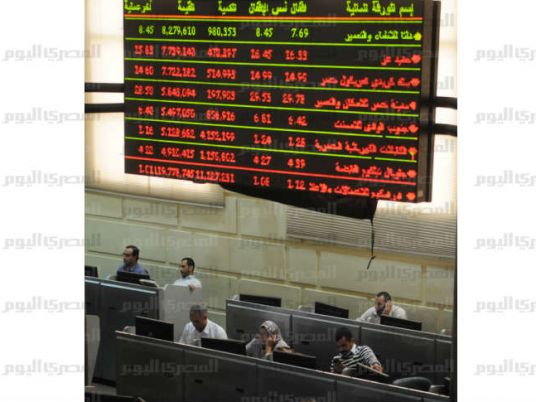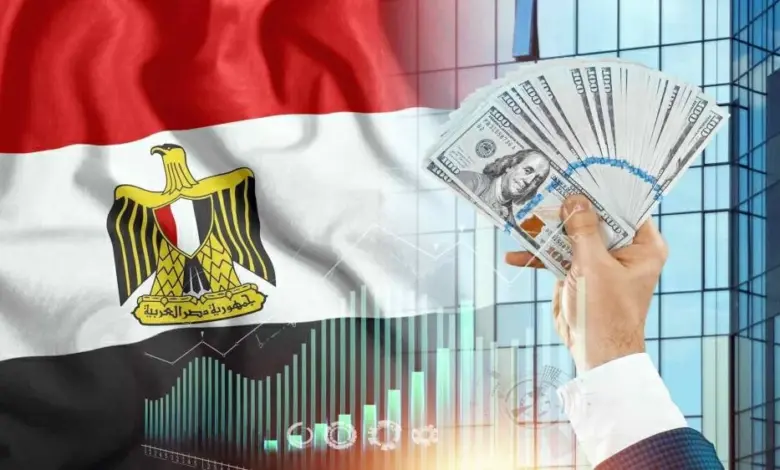
Foreign investors have sold off a massive amount of Egyptian government debt (bonds and treasury bills).
In just four days of trading, they withdrew more than LE 102.3 billion, which is roughly $2.046 billion. While the stock market also saw foreigners leaving, local Egyptian and Arab investors stepped in to buy those shares, keeping the market active.
Why is this happening?
Financial expert Hany Aboul Fotouh explains that this is a classic “flight to safety.” When wars or major political tensions break out in a region—like the current conflict with Iran—investors get nervous.
Investors are divesting from emerging markets like Egypt, reallocating their capital into safe-haven assets such as gold, silver, and palladium to preserve value.
How is this different from past crises?
During the Russia-Ukraine war, about $20 billion left Egypt. Back then, the exchange rate was fixed. However, the current market dynamics represent a significant departure from previous crises:
-
Market-driven exchange rate: The Central Bank has maintained a flexible regime, allowing the Pound’s value to be determined by real-time supply and demand rather than artificial support.
-
The “exit deterrent”: This flexibility acts as a natural brake on capital flight. As the dollar appreciates, investors face higher costs to convert their holdings. This “exchange rate penalty” erodes their realized profits, often incentivizing them to hold their positions until the market stabilizes.
Impact on reserves
All eyes are now on the Central Bank’s upcoming report for March 2026. Experts predict that Egypt’s foreign currency reserves might drop by $5 billion to $7 billion compared to February, as the bank covers these large withdrawals.