CAIRO, Dec 20 (MENA) – Egypt continued in 2025 to strengthen its regional and international leadership in environmental protection and sustainable development by implementing integrated strategies focused on the transition to a green economy, improved waste management, biodiversity conservation and climate change mitigation, according to a report by the Middle East News Agency (MENA).
The report said Egypt also advanced the application of circular economy principles and extended producer responsibility, while pressing ahead with national commitments under Egypt Vision 2030. Achievements during the year included hosting major international and regional conferences, declaring new marine protected areas, upgrading existing reserves, rolling out innovative waste management projects and expanding environmental monitoring on land and at sea.
A key milestone was Egypt’s assumption, for the first time, of the two-year presidency of the 24th Conference of the Parties to the Barcelona Convention for the Protection of the Marine Environment and the Coastal Region of the Mediterranean (COP24). The meeting brought together ministers and representatives from 21 Mediterranean countries, as well as regional and international organizations, experts, private sector representatives and civil society groups.
The conference served as a platform to address marine pollution, biodiversity loss, coastal urban expansion and the impacts of climate change on marine ecosystems. Egypt showcased its experience in managing natural and marine reserves, promoting policies that balance economic development with environmental protection and advancing the blue economy as a driver of sustainable growth. Participants praised Egypt’s role in hosting and organizing the event and underscored the country’s pivotal role in supporting the implementation of the Barcelona Convention.
The conference concluded with the Cairo Ministerial Declaration, reaffirming commitment to the sustainable use of Mediterranean marine and coastal resources as a cornerstone of stability, prosperity and sustainable development. The declaration also highlighted the forthcoming entry into force of the agreement on biodiversity beyond national jurisdiction (BBNJ) as a historic step in protecting the high seas.
In the field of nature conservation, Egypt made notable progress in managing and economically upgrading its protected areas. Acting Environment Minister Manal Awad announced a prime ministerial decision declaring the Great Coral Reef in the Red Sea a marine protected area, a move aimed at safeguarding marine biodiversity while allowing regulated tourism and development activities under strict environmental controls.
Revenues from protected areas rose to about LE600 million for the first time, supported by a self-financing model that reduced reliance on the state budget and reflected increased private sector and community involvement. The ministry tightened oversight of activities within reserves, upgraded fee collection systems through electronic payments and imposed stricter rules on diving and snorkelling to protect coral reefs.
Authorities also intensified campaigns against illegal fishing, including the removal of around 6,000 metres of illegal nets from Ashtoum al-Gamil protected area in Port Said, and carried out joint land and sea patrols to protect biodiversity and restore ecological balance. Partnerships with civil society organizations played a growing role in monitoring violations and protecting migratory birds and marine life.
At the global level, Egypt took part in the leaders’ summit at the UN climate conference COP30 in Belem, Brazil. Speaking on behalf of President Abdel Fattah al-Sisi, Awad reaffirmed Egypt’s commitment to the Paris Agreement and called for closing the gap between climate pledges and implementation, stressing the need for fair and accessible climate finance for developing countries. Egypt highlighted adaptation as a priority for Africa, particularly in addressing drought, water scarcity and sea-level rise, and called for stronger support through the loss and damage fund.
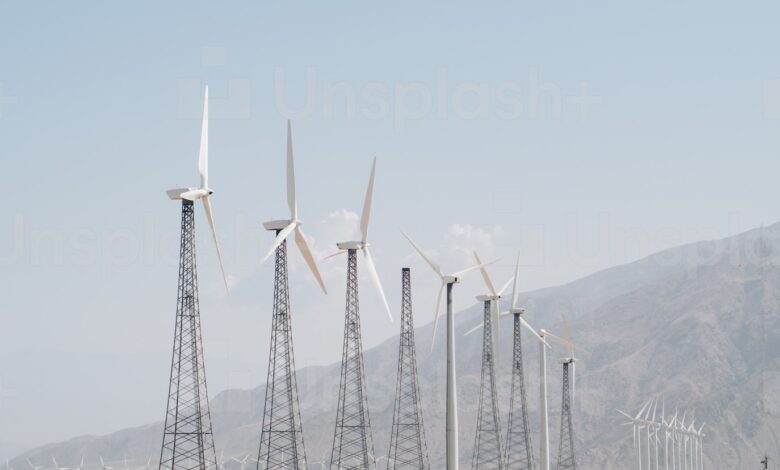
Egypt also outlined progress in diversifying its energy mix, expanding renewable energy projects and targeting 42% clean electricity by 2030, alongside investments in solar, wind and green hydrogen, energy efficiency and low-emission transport infrastructure.
On waste management, the environment ministry reported tangible success in tackling seasonal air pollution, including the so-called “black cloud,” through an integrated system for managing agricultural waste, especially rice straw. Recycling rice straw generated economic returns of about EGP 1.2 billion in a single year, while the number of sanitary landfills increased to 47 and recycling and treatment facilities rose to 46, lifting the national recycling rate to 37%.
In marine monitoring, Egypt launched its first satellite tracking programme for sharks in the Red Sea, fitting tracking devices to several species, including tiger and oceanic whitetip sharks, as part of a scientific initiative aimed at protecting marine ecosystems and supporting sustainable tourism.
Progress was also reported under the “Green Sharm” initiative, which aims to transform Sharm El-Sheikh into a model green tourism city. Measures included expanding solar-powered street lighting, supporting solar installations in hotels, improving waste management, rolling out digital tools for biodiversity monitoring and promoting environmentally friendly alternatives to single-use plastics.
The ministry also advanced green investment by launching interactive dialogues on agricultural waste utilisation, opening new opportunities for private sector investment in non-traditional animal feed and circular economy projects, in line with Egypt’s National Climate Change Strategy 2050.
Another landmark achievement was supporting the Grand Egyptian Museum’s transition towards carbon neutrality. A cooperation protocol was signed to measure and reduce the museum’s carbon footprint, expand clean energy use, improve resource efficiency and promote environmental awareness among visitors, positioning the museum as a flagship model of sustainable cultural infrastructure.
In the fight against desertification, Egypt reinforced its leadership role in Africa during 2025. Former environment minister Yasmine Fouad was appointed executive secretary of the UN Convention to Combat Desertification, strengthening Egypt’s involvement in shaping international policies on land restoration, climate adaptation and food and water security across the continent.