
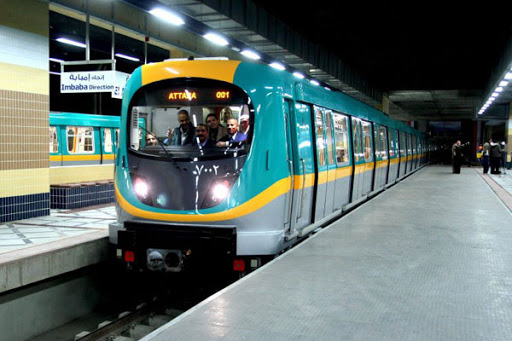
Egypt’s Ministry of Transport announced on Thursday a restructuring of fare prices for the National Railways and specific metro segments, effective Friday morning, March 27, 2026.
The ministry stated that while some ticket prices will increase, others will remain unchanged, framing the move as part of its commitment to transparency regarding the operational costs of public services.
The Ministry of Transport has detailed the new fare structure as follows:
I. National railways:
Ticket prices for long-distance routes will increase by 12.5 percent, while fares for short-distance routes will see a 25 percent adjustment.
II. Cairo Metro (Lines 1, 2, and 3):
Up to 9 stations: Prices increased to LE 10 (formerly LE 8).
Up to 16 stations: Prices increased to LE 12 (formerly LE 10).
Up to 23 stations: Price remains unchanged at LE 15.
Over 23 stations (up to 39): Price remains unchanged at LE 20.
In its official statement, the Ministry of Transport clarified that the restructuring of train fares and specific metro tiers was driven by the following factors:
Operational costs and global Economic pressure: The National Railways and the National Authority for Tunnels face significant financial challenges due to the global rise in petroleum product prices, which are imported using hard currency. Additionally, multiple increases in electricity prices over recent years have placed a heavy financial burden on both authorities while ticket prices remained stagnant.
Maintenance and infrastructure upgrades: The authorities face high costs for maintaining the current fleet of trains and metro carriages due to the rising prices of spare parts. This is coupled with ongoing projects to enhance efficiency and modernize several existing rail lines.
Rising wage bills: Periodic salary increases for employees—in line with state-wide raises for government workers—reflect the Egyptian state’s commitment to ensuring a ‘Decent Life’ for all public sector staff.
Investing in the future of transit: The Ministry further explained that it has recently worked to maximize investment in the assets of both the railway and metro authorities to boost internal revenue. These newly approved measures are intended to ensure the sustainability of high-quality services for the public.
