“The American people need to understand that it isn’t a crime to party with Mr. Epstein.”
Perhaps Deputy Attorney General Todd Blanche is right, given the high evidentiary bar required for prosecution.
But his comment Monday on Fox News cruelly disregarded victims of Jeffrey Epstein left with lifelong trauma after being trafficked into his sordid orbit.
And it doesn’t fully capture the broader implications of a new mountain of disclosures from the Department of Justice.
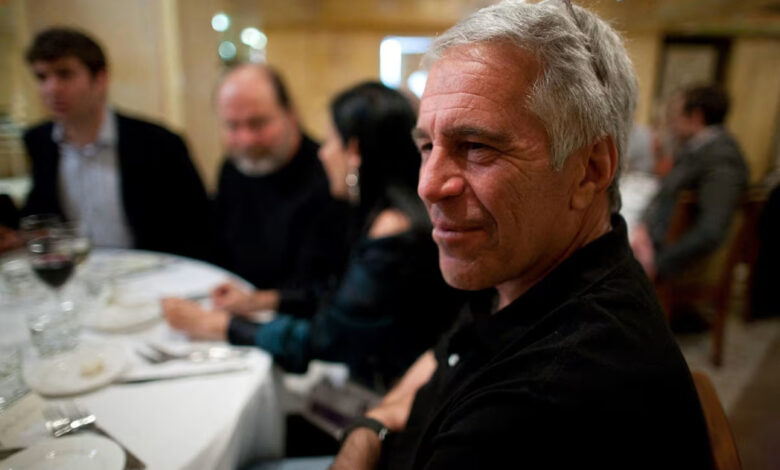
Several million documents peel open the rarefied upper echelon of Epstein’s globe-spanning social and business network. The disgraced financier was the curator and connective tissue of an elite circle open to those with wealth, fame, power and influence.
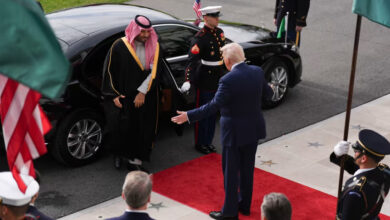
His contacts over the years included a former US president and a current one; a prince, a crown princess, cabinet secretaries and ministers; and titans of business, entertainment, the law, banking and diplomacy. Related scandals that threaten royal dynasties and governments are now raging in Europe.
Epstein’s former friends, associates and dining companions have governed us and have built an economy that enriches them and sidelines many of us. They’ve appeared on our TV screens, owned sports teams or sold us consumer goods. They’ve written software operating systems that power modern life and are imposing a future dominated by artificial intelligence.
While the beau monde partied with Epstein in the gilded age when the 20th century flipped to the 21st, many Americans not in the club were dying in foreign wars or struggling to stay solvent through the ravages of the Great Recession.
A social and networking whirl
F. Scott Fitzgerald’s maxim that the “very rich … are different from you and me” is borne out by the extraordinary whirl of social events, meetings and conferences Epstein used to people his network. It was a charmed circle of yachts, leisurely lunches, dinner parties and private jets — and eager fellow travelers.
“You have some of the most wealthy individuals, tech leaders, finance leaders, politicians, all implicated in some way, having emailed him, wanting to go to Epstein’s island, knowing that Epstein was a pedophile,” Democratic Rep. Ro Khanna, who helped force the release of the files, told NBC’s “Meet the Press.”
Many prominent figures, including former President Bill Clinton and President Donald Trump, have said they cut off ties with Epstein years before his crimes and untried alleged offenses came to light and say they knew nothing about them. Neither has ever been criminally charged with relation to Epstein and authorities have lodged no evidence of wrongdoing.

At the same time, however, indictments filed against Epstein and the trial of his associate Ghislaine Maxwell painted a world of depravity; of dozens of girls enticed, exploited, abused, at his homes in Manhattan and Palm Beach, Florida.
Everyone who knew Epstein would have had their own experience. But it strains credulity to believe that some of the most sophisticated people in the world with whom he associated suspected nothing about his proclivities. Is this a case of people in Epstein’s circle adopting a position of willful blindness? And if that’s so, what debt do they now owe to victims whose lives were forever altered?
What obligation do the powerful have toward those with little or no power — like the young girls who were coerced into providing massages and sex acts for Epstein?
The questions are especially keen because the newly released files show plenty of socializing and networking between Epstein and some of his friends following Epstein’s release from jail in 2009. He had served 13 months after pleading guilty to two state prostitution charges in Florida in a deal that spared him federal prosecution.
Reverberations of file releases go global
The idea that no one knew anything seems hard to believe.
After all, in 2002 Trump told New York Magazine that he’d known Epstein for 15 years and he was a “terrific guy.” Trump added, “It is even said that he likes beautiful women as much as I do, and many of them are on the younger side. No doubt about it — Jeffrey enjoys his social life.”
(Trump has said that he later had a falling-out with Epstein.)
In a bizarre Truth Social message posted on Christmas night 2025, Trump seemed to imply he knew more, singling out “the many Sleazebags who loved Jeffrey Epstein, gave him bundles of money, went to his Island, attended his parties, and thought he was the greatest guy on earth, only to ‘drop him like a dog’ when things got too HOT.”
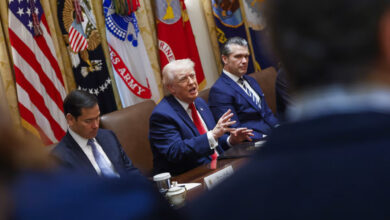
On Tuesday, Trump declared it was “really time for the country to get onto something else, really.” He added: “You know, now that nothing came out about me, other than it was a conspiracy against me, literally, by Epstein and other people.”
But the president declined to answer questions from CNN’s Kaitlan Collins in the Oval Office about the absence of justice for Epstein victims.
Newly released files show that while some Epstein associates seemed attracted by the possibility of meeting young women and sex, he was also at the hub of a wider web of influencing and socializing. The latter fact might eventually suggest answers to one of the mysteries of the case: How did he build such a vast fortune?
Epstein was consciously and constantly widening his circle and seeking more connections.
In 2013, for example, he had one of many exchanges with Tesla chief Elon Musk. Epstein asked his acquaintance via email if he had “any plans” for the United Nations General Assembly in 2013, telling him of “many interesting people coming to the house.” Musk replied that his firm SpaceX was about to launch “arguably the most advanced rocket in history.” He added: “Flying to NY to see UN diplomats do nothing would be an unwise use of time.”
Epstein responded, strongly implying the get-together was to meet women. Musk appears to not have replied.
In another email, Musk had voiced an apparent wish to attend the “wildest” party on Epstein’s island. Musk has denied ever going to the island or attending such a party.
Epstein’s lattice of connections spread across the globe. And overseas, there’s currently a more serious reckoning for his former associates than in the US.

The most prominent casualty abroad of the latest set of releases is Peter Mandelson, the former British Cabinet minister who was previously fired as ambassador to Washington over his ties to Epstein. Now he’s facing a criminal investigation over claims that he leaked market-sensitive government information to his friend at the height of the financial crisis — which would have been like gold dust for Epstein’s Wall Street contacts. The scandal is threatening the weakened government of British Prime Minister Keir Starmer.
The Epstein saga has also rocked the British royal family. The former Prince Andrew had already settled a sexual assault case with the late Virginia Giuffre, who was trafficked by Epstein. Continued revelations led King Charles III to strip his brother’s royal titles and to exile him to a remote royal estate. Starmer has said the now-Andrew Mountbatten-Windsor should testify to the US Congress.
Epstein’s network of disgrace is also rattling royals in Norway after the release of chummy and sometimes suggestive emails between Epstein and Crown Princess Mette-Marit. The princess told CNN in a statement that she showed poor judgment and regrets her friendship with him. “I must take responsibility for not having investigated Epstein’s background more thoroughly, and for not realizing sooner what kind of person he was … it is a responsibility I must bear.”

That question of whether some of Epstein’s other friends and contacts should undergo a period of public reflection is coming into increasing focus. And it could have political implications, even if a supine Republican Congress is unlikely to press the DOJ for further answers or for the release of millions of files it is still holding.
The gusher of scandal unleashed by the Epstein files could at least temporarily help Trump, who has been under fierce scrutiny about what he knew.
The president always argued that America was led by a corrupt cabal of sleazy elites who dominate politics, finance and the arts. The more voters conclude that the entire establishment is corrupt, the less Trump’s own volatile conduct and questionable ethics seem to make him an outlier.
And it only takes a few incriminating emails to give a morsel of validation to far-right conspiracy theorists who already argued the country was hostage to a sick deep state mired in sexual deviancy.
Of course, most politicians, bankers, diplomats and celebrities didn’t pal around with Epstein. Logic suggests that many prominent people must have taken one look at him and run a mile.
But anything that fuels perceptions of a rich, morally corrupt and influence-peddling elite could fuel the cynicism about public life and populism already assailing American democracy — even after Trump leaves office.
Epstein is now long gone, after taking his own life in prison in 2019 and leaving his famous former associates to answer for his crimes.
Those who partied with him may not share criminal liability. But how many of them were morally complicit?